


How Is Sexual Function Affected After Robotic Prostate Surgery?
One of the most important questions men ask when surgery is recommended for prostate cancer is:
“How will my sexual life be affected after the operation?”
This is a completely natural concern.
Sexual function and erectile quality are important components of overall quality of life. For this reason, when planning prostate cancer treatment, not only cancer control but also postoperative functional outcomes are important considerations.
The most important thing to understand is this:
Erectile function may be affected after robotic prostate surgery, but many patients experience significant improvement over time.
Why Can Prostate Surgery Affect Erections?
On both sides of the prostate are nerve bundles that play a crucial role in achieving erections.
During a radical prostatectomy performed for prostate cancer, these nerves may be affected because they are located very close to the prostate gland.
Depending on the extent and location of the cancer, it may be possible to preserve these nerves in some patients, while in others part or all of the nerve tissue may need to be removed to achieve optimal cancer control.
What Is Nerve-Sparing Surgery?
When the nerve bundles responsible for erectile function are preserved during surgery, the procedure is referred to as nerve-sparing surgery.
The goals of this approach are:
- To achieve cancer control
- To maximize preservation of erectile function
- To improve postoperative quality of life
However, not every patient is a suitable candidate for nerve-sparing surgery.
The decision depends on factors such as:
- MRI findings
- Biopsy results
- Tumor location
- Patient age and expectations
Does Every Patient Develop Erectile Dysfunction After Surgery?
No.
Postoperative erectile function is influenced by many factors, including:
- Patient age
- Preoperative erectile function
- Medical conditions such as diabetes and vascular disease
- Smoking history
- Whether nerve-sparing surgery can be performed
For this reason, recovery varies significantly among patients.
When Do Erections Return?
This is one of the most common questions patients ask.
Recovery of erectile function usually takes time.
Some patients notice improvement within the first few months, while others may require a longer recovery period.
Nerve tissue heals slowly, and patience is often necessary during the recovery process.
Following the recommended rehabilitation program is also important.
Will I Still Be Able to Have an Orgasm?
Yes.
Many patients are still able to experience orgasm after prostate surgery.
However, because the prostate and seminal vesicles are removed during radical prostatectomy, ejaculation no longer occurs.
This is known as a dry orgasm.
The sensation of orgasm may remain, but no semen is released.
Can I Still Have Children After Surgery?
Natural fertility is not possible after radical prostatectomy.
Patients who wish to have children in the future should discuss this issue with their physician before surgery.
When appropriate, sperm banking options can be considered.
What Is Penile Rehabilitation?
Penile rehabilitation refers to strategies designed to support the recovery of erectile function after surgery.
Depending on the individual patient, these programs may include:
- PDE5 inhibitors (such as tadalafil)
- Vacuum erection devices
- Intracavernosal injection therapy
- Other supportive treatments
The goal is to maintain penile tissue health and support the recovery process.
Does Robotic Surgery Offer Advantages in This Area?
Yes.
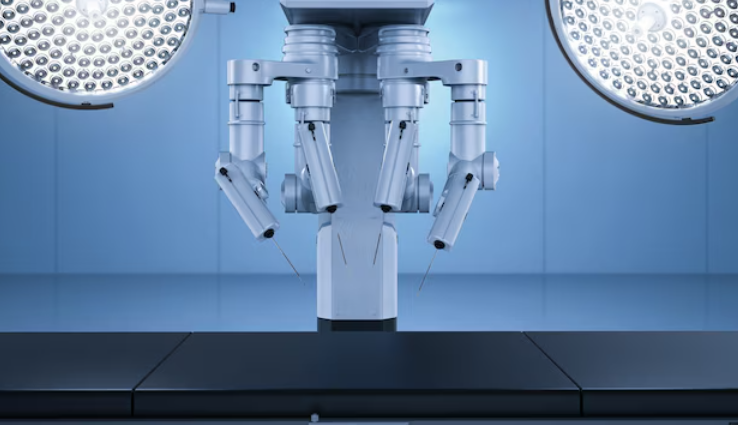
The technological advantages of robotic surgery, including:
- Three-dimensional visualization
- High magnification
- Precise surgical dissection
may help surgeons identify and preserve nerve structures more effectively.
As a result, nerve-sparing procedures can often be performed with greater precision in appropriately selected patients.
Will Sexual Function Return Completely to Olağan?
There is no single answer that applies to every patient.
Some men recover erectile function that is close to their preoperative baseline, while others may experience varying degrees of change.
Outcomes are influenced by several factors, including:
- Age
- Overall health condition
- Baseline erectile function
- Cancer characteristics
- Surgical technique
Balancing Cancer Control and Quality of Life
One of the primary goals of çağdaş prostate cancer surgery is not only to treat the cancer.
It is also to:
- Preserve urinary continence
- Preserve sexual function whenever possible
- Maintain quality of life
For this reason, treatment planning should always be individualized.
Conclusion
Changes in sexual function can occur after robotic prostate surgery. However, these changes do not affect every patient in the same way, and many men experience significant improvement over time.
Thanks to nerve-sparing surgical techniques, penile rehabilitation programs, and çağdaş robotic surgical approaches, functional outcomes today are significantly better than in the past.
If treatment for prostate cancer is being considered, it is important to discuss all available options with an experienced urology specialist to optimize both cancer control and postoperative quality of life.
Assoc. Prof. Dr. Serdar Yalçın
Urology Specialist
Robotic Radical Prostatectomy • Prostate Cancer • Robotic Urology • Andrology • Urologic Oncology